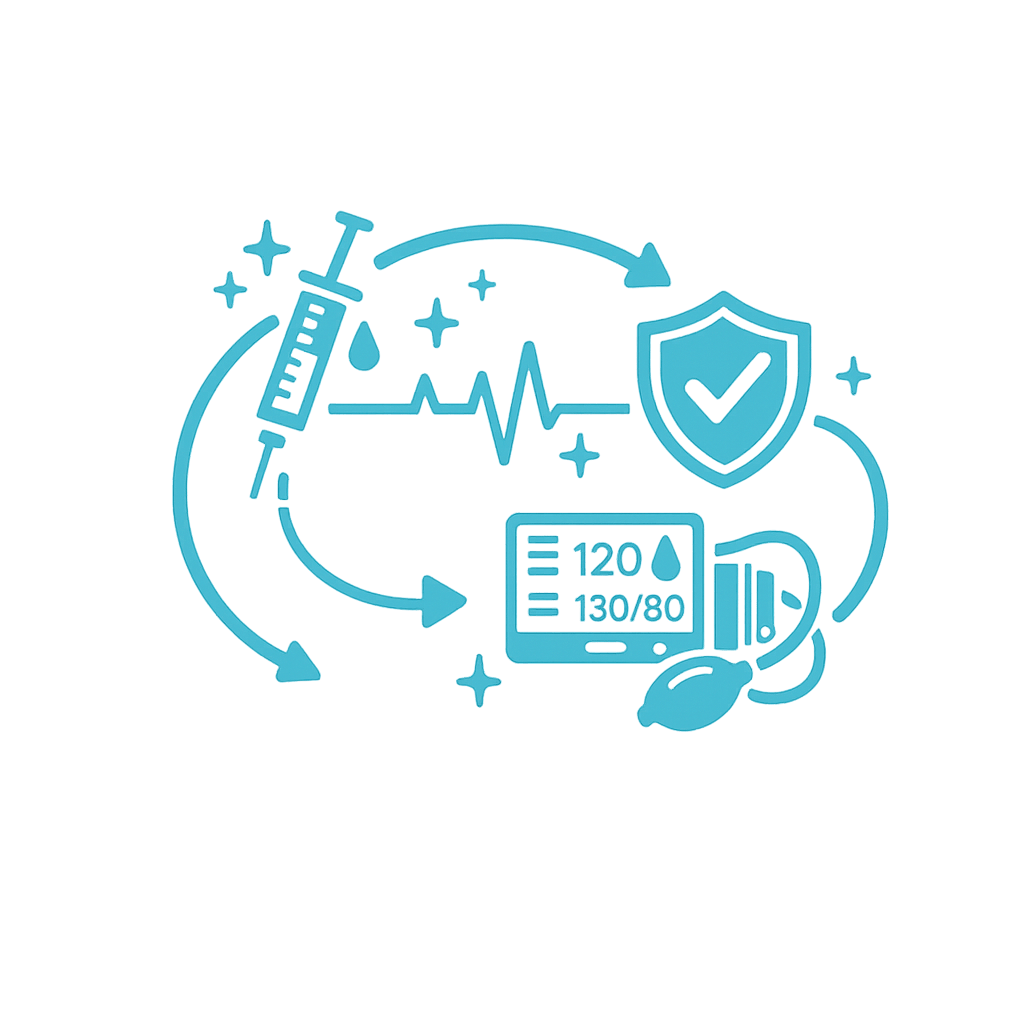
Prophylactic Phenylephrine
Spinal hypotension from decreased SVR; reactive boluses increase maternal nausea and fetal acidosis.
Start phenylephrine infusion 25-50 mcg/min immediately post-spinal; target SBP >=90% baseline.
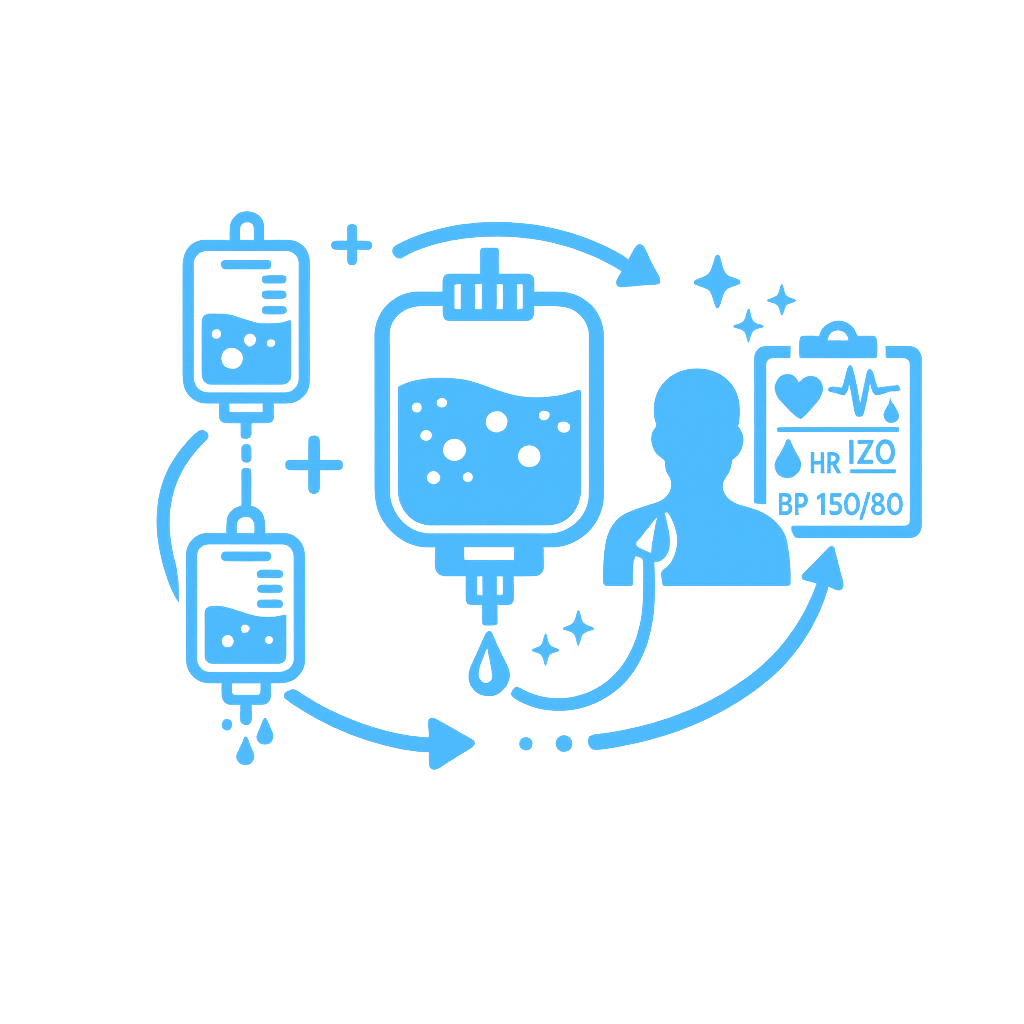
Fluid Co-Load
Preload redistributes rapidly; volume needed during vasodilation phase.
Crystalloid co-load ~15 mL/kg starting at time of spinal injection.
Patchy Epidural Rule
Asymmetric/bolus-dependent epidurals have high surgical failure rate.
Remove catheter; perform spinal or CSE instead of salvaging.
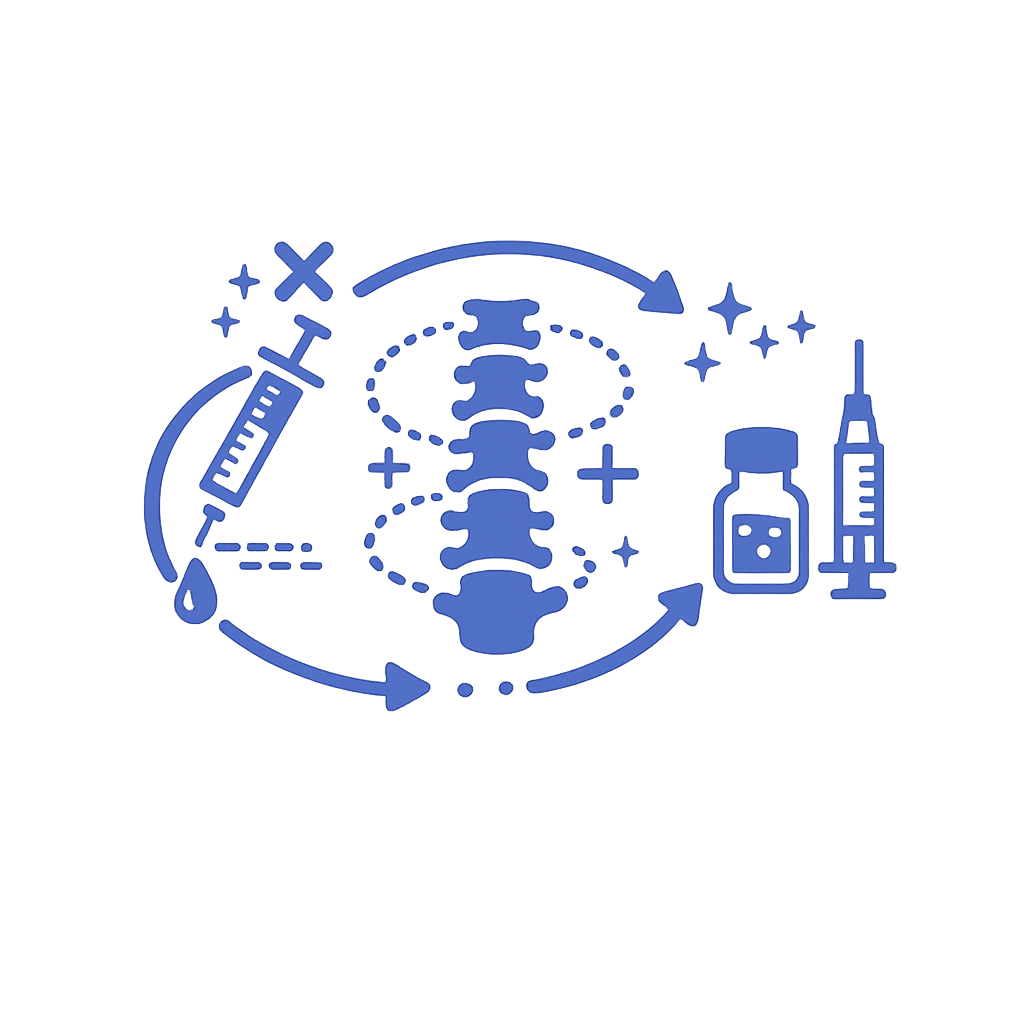
Spinal After Failed Epidural
Epidural volume compresses dural sac -> higher cephalad spread.
Reduce spinal dose or use CSE to avoid high/total spinal.
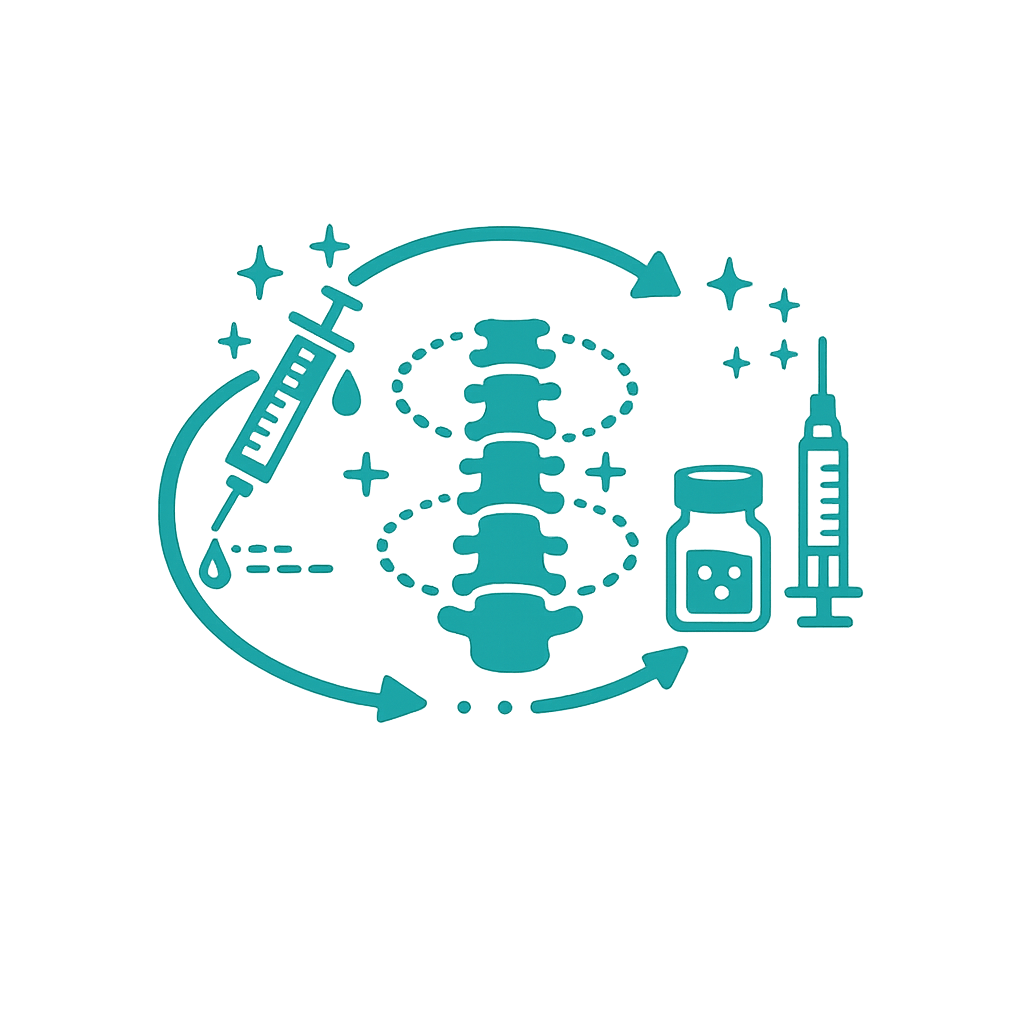
Standard Spinal Mix
Density + intraop quality + long postop analgesia.
Bupivacaine 12 mg (0.75% hyperbaric) + fentanyl 10-25 mcg + PF morphine 100-200 mcg.
Antibiotic Timing
Pre-incision dosing decreases endometritis/wound infection without neonatal harm.
Cefazolin 2 g IV <= 60 min before incision.

Nausea = Hypotension
Nausea usually reflects brainstem hypoperfusion, not anesthesia.
Check BP first -> treat with pressors; if BP normal, treat surgical cause/antiemetics, consider multimodal approach.
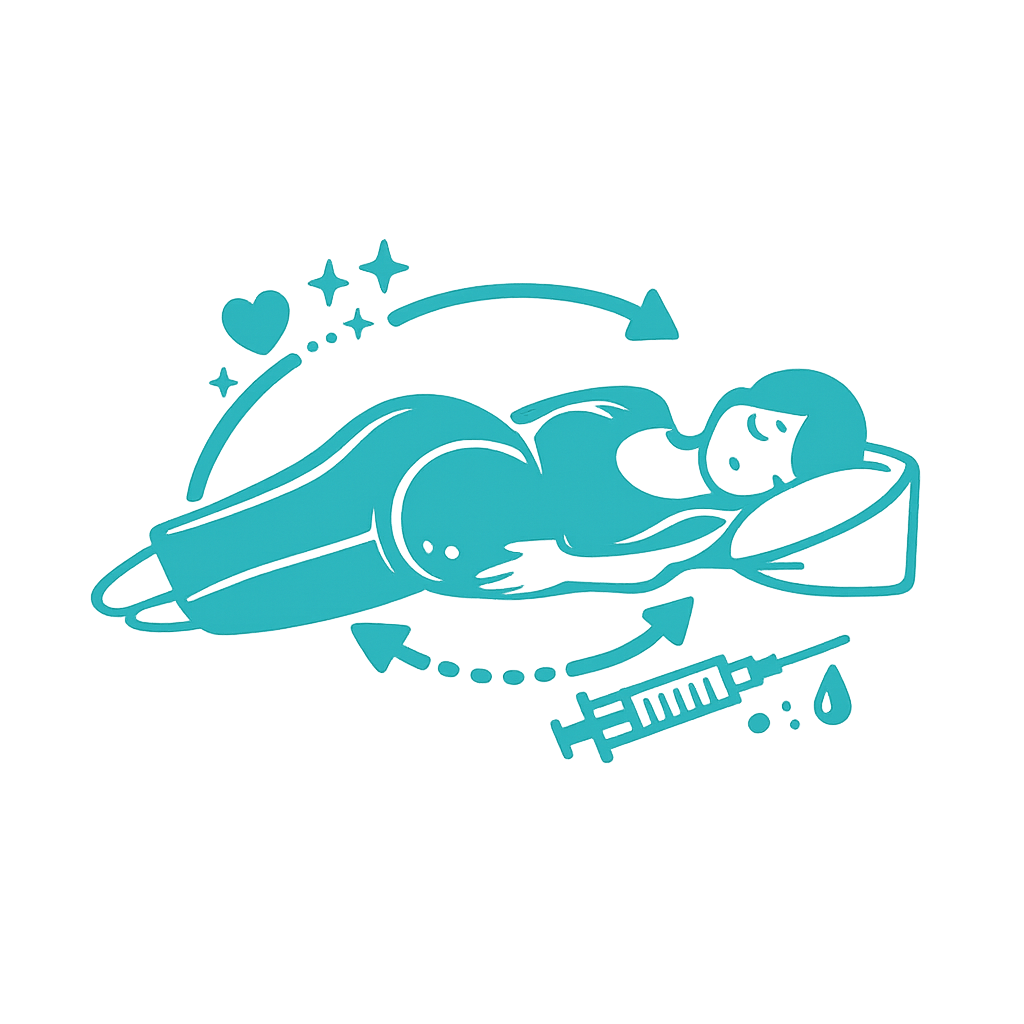
Left Uterine Displacement (LUD)
Aortocaval compression decreases CO and fetal perfusion.
Maintain ~15 deg left tilt until delivery.
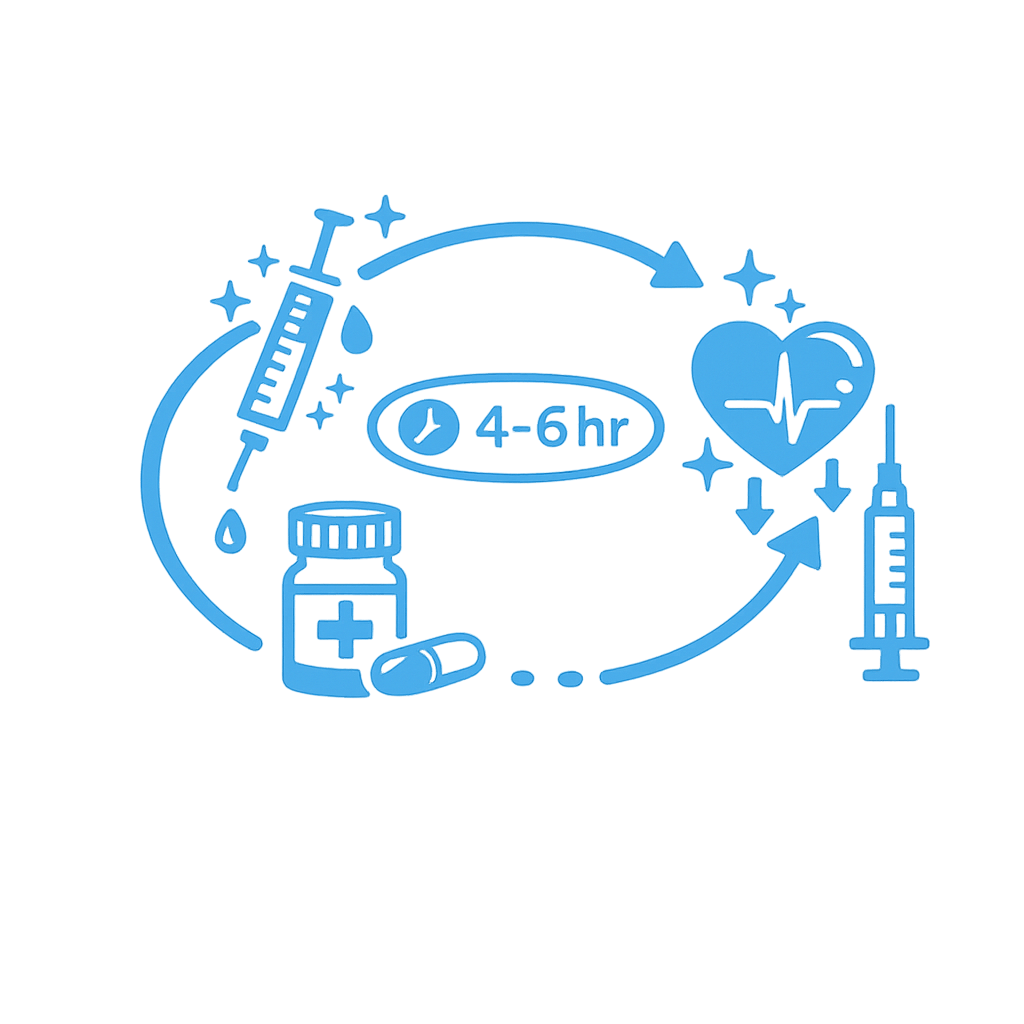
Long-Acting Analgesia
Morphine provides 12-24 h analgesia; fentanyl only 2-4 h.
Use IT/epidural morphine 100-200 mcg; monitor for delayed respiratory depression (>= 12 h).