High Risk of Pulmonary Edema
↓Colloid osmotic pressure + LV dysfunction + capillary leak = pulmonary edema at "normal" filling pressures.
No preloading before epidural. No fluid challenges for oliguria. Transient oliguria is common and usually self-limiting (glomerular structural problem, not hypovolemia).
Control BP Before Laryngoscopy
Intracranial hemorrhage and aortic dissection are leading causes of death—both triggered by extreme BP spikes during intubation in uncontrolled hypertension.
NEVER induce GA without BP <150/100 mmHg. Use esmolol 1 min. Have arterial line for real-time monitoring. May need to prioritize maternal stabilization over fetal distress.
Magnesium is Cornerstone for Seizure Management
Magnesium is superior to phenytoin/diazepam for seizure prevention and treatment. Halves recurrence risk.
Give loading dose (4g over 10 min) immediately for witnessed seizure. Continue 1 g/h for 24h minimum. Clinical monitoring (RR ≥10, reflexes present) sufficient for standard doses. Keep calcium gluconate at bedside. NNT = 63 for severe PE prophylaxis (equivocal), but clear benefit for eclampsia.

Spinal Anesthesia Is NOT Contraindicated in Severe PE
Traditional teaching avoided spinals due to hypotension risk, but modern evidence shows uteroplacental flow preserved/improved despite BP drop. Carefully managed spinals safer than GA in most cases.
Spinal is PREFERRED technique for CS in severe PE unless specific contraindications (coagulopathy, ongoing seizures, uncontrolled BP, urgent delivery). Patients paradoxically have LESS hypotension but are MORE sensitive to vasopressors—use cautiously. Avoid fluid preloading.

Platelets <75 × 10⁹/L = No Neuraxial
Risk of epidural hematoma increases with thrombocytopenia. General threshold is 75 × 10⁹/L for obstetric neuraxial, but trend matters more than single value.
Check platelets within 6h of neuraxial procedure. If 75-100, ensure NOT falling rapidly and coags normal. Remove epidural ASAP after delivery in HELLP (nadir at 24-72h postpartum). If count <75 or rapidly falling → GA for CS.

Clinical Monitoring Beats Routine Levels
Toxicity follows a predictable clinical sequence (reflex loss → respiratory depression → cardiac arrest). Bedside signs detect danger earlier than labs in patients with normal renal function. Calcium competitively reverses neuromuscular blockade but may require repeat dosing if magnesium remains elevated.
Monitor urine output (Foley), patellar reflexes, and respiratory rate; reserve serum magnesium levels for renal dysfunction or absent reflexes. Keep levels ~5–9 mg/dL (4–7 mEq/L). Treat toxicity promptly with calcium gluconate.
Magnesium is an Anticonvulsant, Not a BP Drug
Magnesium stabilizes neuronal membranes and reduces NMDA-mediated excitability; it does not meaningfully lower systemic vascular resistance. Treating BP with magnesium delays definitive antihypertensive therapy and increases seizure risk.
Use magnesium sulfate solely for seizure prophylaxis/treatment in preeclampsia/eclampsia; control blood pressure separately with antihypertensives.

Airway Assessment Changes
Mallampati score can worsen dramatically during labor due to progressive airway/glottic edema. Post-seizure tongue trauma worsens difficulty.
Perform airway exam immediately before ANY GA (even if checked earlier). Look for stridor, facial edema, dysphonia. Have smaller ETTs ready (start 7.0 mm). Equipment for failed intubation at bedside. Consider awake fiberoptic if severe edema. Extubation can be as dangerous as intubation.
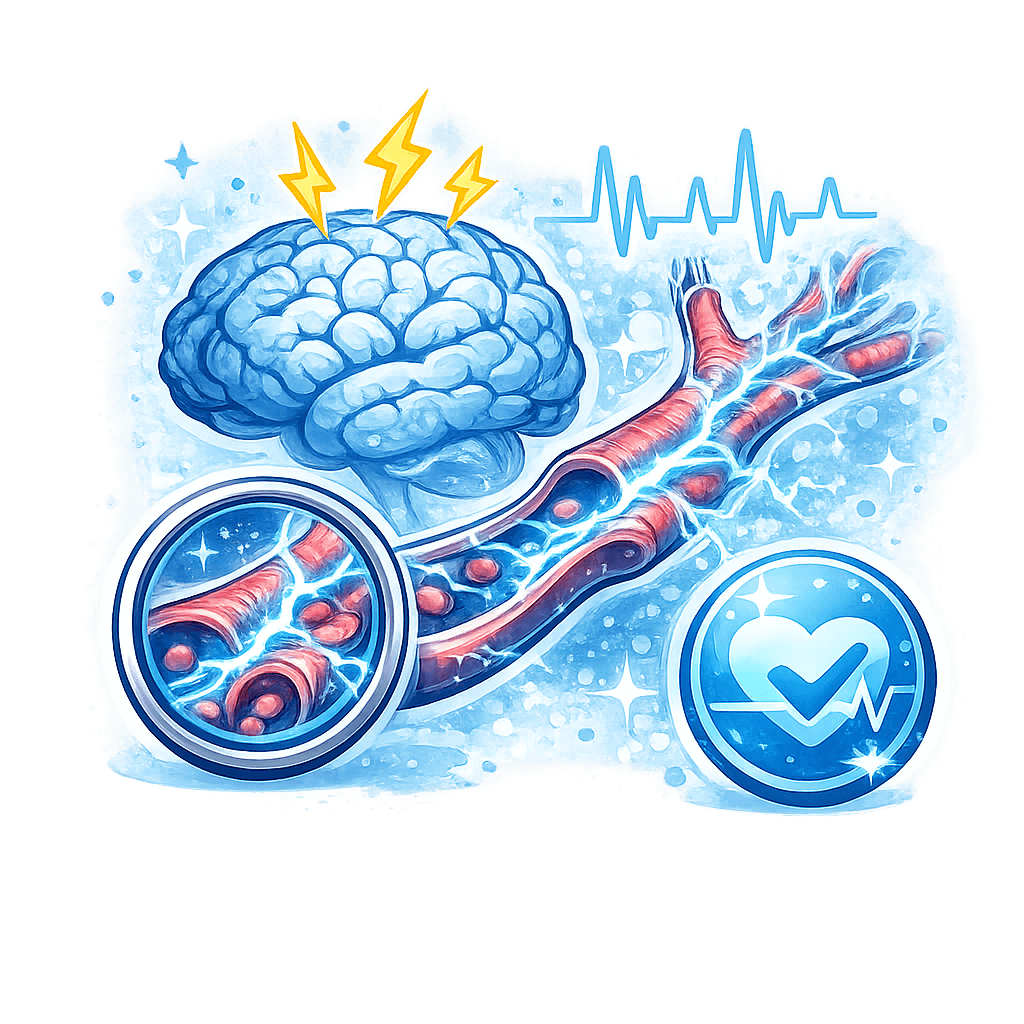
Vasospasm Causes Seizures
Traditional belief in cerebral edema was wrong. Eclamptic seizures result from cerebral vasospasm and hypoxia, NOT elevated ICP. Magnesium works by vasodilation.
Treat with magnesium (cerebral vasodilator), NOT osmotic diuretics. Convulsions can occur at moderately elevated BP (not just severe hypertension). BP alone is poor predictor of seizure risk. Look for cerebral irritability signs: headache, visual changes, hyperreflexia, sustained clonus.
Epidural Analgesia Is Therapeutic
Pain-induced catecholamine release worsens hypertension and placental perfusion. Epidural reduces stress response, improves uteroplacental blood flow, decreases GA risk.
Offer epidural EARLY to all PE patients in labor (if platelets adequate). This is medical management, not just analgesia. Infusion technique preferable to boluses in severe PE. Use vasopressors judiciously (increased sensitivity). Do NOT withhold because "they might need a section"—that's exactly WHY they need an epidural.